
When a Wound Isn’t Healing: When Seniors Should Seek Wound Care in Maryville, TN
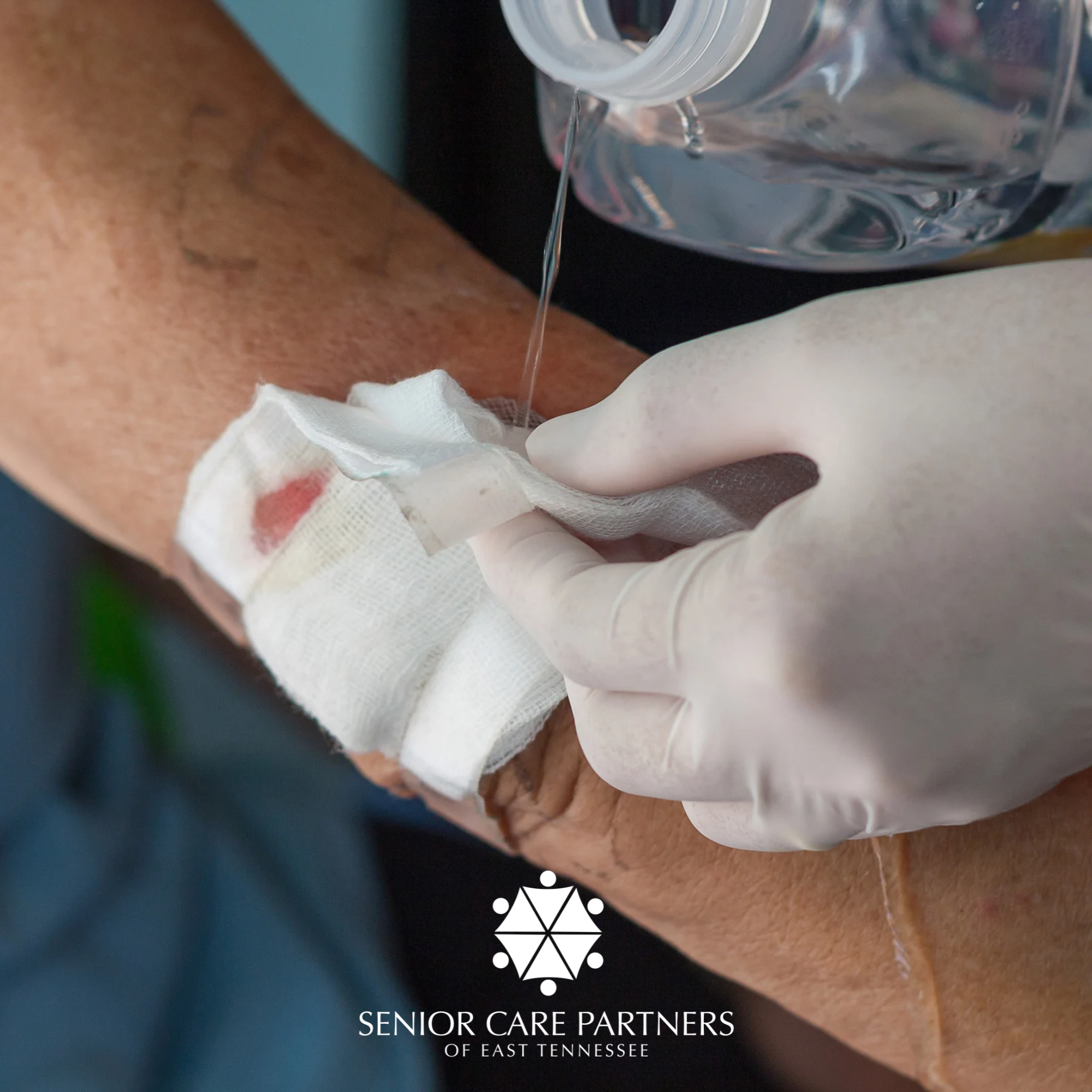
A small cut, scrape, or sore may not seem like a major concern at first. Most of us expect minor wounds to improve with basic care and time. But when a wound isn't getting better, keeps returning, or begins to interfere with everyday life, it may be time to have it evaluated.
For older adults, paying attention to wounds is especially important. Health conditions, changes in mobility, and other factors can sometimes make wound care more complicated. Knowing when to seek help can allow concerns to be addressed before they become more difficult to manage.
Senior Care Partners provides advanced wound care in Maryville, TN for older adults with a variety of wound types. Our goal is to provide safe, effective care based on the individual needs of each patient.
Not Every Wound Heals the Same Way
There isn't one timeline that applies to every wound. The location, type, and severity of the wound can all make a difference. A person's overall health can also affect the healing process.
This is why it's important to pay attention to how a wound changes over time rather than simply assuming it will eventually go away.
A wound that doesn't appear to be improving, repeatedly opens again, or continues causing discomfort deserves attention. Seniors and caregivers should also watch for changes around the wound or anything that seems noticeably different from one day to the next.
When you're unsure, it's better to ask a healthcare provider than to continue waiting and wondering.
Some Wounds Require Specialized Care
Wound care can involve much more than putting on a bandage.
Senior Care Partners provides advanced therapies for several types of wounds, including pressure ulcers, diabetic and neuropathic wounds, venous ulcers, arterial wounds, and a variety of other wound types.
Each type of wound may have different factors contributing to it. That makes proper evaluation an important part of determining the appropriate approach to care.
Rather than treating every wound the same way, care should be based on the individual patient and the type of wound being treated.
Pay Attention to Wounds in Areas Under Pressure
Older adults who spend extended periods sitting or lying in one position may develop areas of concern where the skin experiences repeated pressure.
These areas shouldn't be ignored, especially if a senior has limited mobility and may not be able to easily reposition without assistance.
Caregivers can help by paying attention to changes in the skin and mentioning concerns to a healthcare provider. Regularly checking areas that may be difficult for the senior to see can also be helpful.
Early attention may prevent a small concern from becoming a more complicated wound.
Diabetes and Neuropathy Can Make Wounds Easier to Miss
Some seniors may not immediately notice an injury or sore, particularly when sensation is reduced.
A wound on the foot, for example, could go unnoticed if it isn't causing significant discomfort. This is one reason regularly looking at the feet and skin can be an important habit for older adults and caregivers.
Don't rely on pain alone to tell you that something needs attention. If you notice a wound that isn't improving or you're concerned about a change in the skin, contact a healthcare provider.
Don't Let a Wound Quietly Change Daily Life
Sometimes the effect of a wound shows up in a person's routine before they talk about the wound itself.
A senior may begin walking less because a sore area is uncomfortable. They may stop wearing certain shoes, avoid leaving the house, or spend more time sitting because movement has become difficult.
These changes can be easy for families to attribute to aging.
If a loved one's activity level suddenly changes, ask questions. Something as simple as foot discomfort or a wound may be contributing to the change.
Addressing the underlying concern may help the person return to activities that are important to them.
When Should You Ask for Help?
You don't need to know exactly what type of wound you are looking at before contacting a healthcare provider.
If a wound isn't healing as expected, appears to be getting worse, keeps returning, or is causing concern, it is appropriate to ask for help. New or concerning changes should also be evaluated rather than treated indefinitely at home without guidance.
For caregivers, trust what you observe. You know your loved one's usual routines and behavior. If something seems different, mention it.
Advanced Wound Care in Maryville, TN
Wounds can affect comfort, mobility, daily routines, and overall quality of life. Getting the right care can make an important difference, particularly when a wound has become difficult to manage.
Senior Care Partners provides advanced wound care in Maryville, TN for pressure ulcers, diabetic and neuropathic wounds, venous ulcers, arterial wounds, and many other types of wounds.
Our team provides safe, effective care for our patients with treatment based on their individual needs.
If you or an older loved one has a wound that isn't healing as expected, don't simply assume that more time is the answer. Contact Senior Care Partners to learn more about our wound care services and how we can help.